

Key Takeaways
- X-ray sensors dramatically enhance diagnostic imaging in dentistry by providing fast, accurate digital images with significantly reduced radiation exposure compared to traditional film.
- Advanced sensor technologies, such as CMOS and CCD, deliver high-resolution images crucial for diagnostics and treatment planning across general, endodontic, and orthodontic practices.
- Durability, ergonomic design, and easy software integration are top considerations, ensuring long service life, patient comfort, and streamlined digital workflows within dental offices.
- Practices can choose between wired and wireless sensors, balancing setup preferences, mobility, and workflow speed according to specific clinical needs.
- While digital X-ray sensors offer better safety, image quality, and efficiency, initial costs and ongoing maintenance are important factors for dental practices to evaluate.
- Leading providers like ProDENT supply a range of X-ray sensors with reliable warranties, technical support, and compatibility with major imaging systems, supporting clinics nationwide.
X-ray sensors have revolutionised dental diagnostics by providing fast, accurate digital images whilst significantly reducing radiation exposure compared to traditional film methods. These advanced devices utilise CMOS or CCD technology to deliver high-resolution images within seconds, improving both patient safety and clinical workflow efficiency. Leading suppliers such as ProDENT provide comprehensive dental imaging solutions with reliable warranties and technical support to practices seeking enhanced diagnostic capabilities.
What Is an Xray Sensor?
An xray sensor captures digital images of teeth and oral structures during dental radiography. It converts incoming X-ray photons into electronic signals, producing a clear digital image for diagnosis. Most dental xray sensors use complementary metal-oxide-semiconductor (CMOS) or charge-coupled device (CCD) technology, which provides high-resolution images within seconds.
Xray sensors reduce patient radiation by requiring lower exposure than traditional film. These sensors connect directly to imaging software, making it possible to view, store, and share results instantly. Models often include ergonomic designs and waterproof casings to meet hygiene protocols in dental practices.
ProDENT in Tampa, Florida carries a range of digital xray sensors suitable for general dentistry, endodontics, and orthodontics. Their solutions support dental practices across the United States looking for efficient digital imaging with reliable service and product warranties. Dentists using digital xray sensors report improved workflow efficiency and more comfortable imaging experiences for patients.
Key Features of Xray Sensors
X-ray sensors provide clear digital images for dental diagnostics and clinical imaging. Dental practices select these devices to improve imaging speed, accuracy, and patient safety.
Image Quality and Resolution
X-ray sensors use technology such as CMOS with scintillators or direct-conversion silicon to deliver high-resolution dental images. Models like DC-Air™ achieve pixel sizes down to 26μm with 12-bit depth for precision in dental diagnostics. A smaller focal spot size, such as the 0.4mm found in the NOMAD Pro 2, reduces motion blur and sharpens intraoral images. Dental professionals rely on these resolutions for caries detection, endodontic evaluation, and implant planning. ProDENT in Tampa, Florida ensures that dental clinics access sensors capable of consistently producing detailed images for efficient diagnosis and treatment planning.
Durability and Build Quality
High-quality X-ray sensors are manufactured to withstand frequent use in busy dental clinics, lasting 5-7 years on average if users follow proper care guidelines. Materials including reinforced CMOS layers and secure scintillators increase resistance to drops and exposure. Many dental sensors feature protective backscatter shields to prevent image noise and maintain image integrity. Ergonomic construction lowers the risk of accidental sensor movement during exposure. ProDENT supplies dental practices in Tampa with sensors known for robust build and long service life, supporting reliable workflow and minimizing unexpected replacements.
Size and Ergonomics
Compact sensor sizes allow easy positioning inside the patient’s mouth. For example, the MediarayPLUS measures 29.2 x 38.7 x 4.9 mm, fitting comfortably for pediatric and adult radiographs. Sensors with rounded corners improve comfort during intraoral imaging. Handheld X-ray devices often use pistol-grip designs for operator stability and control, reducing error during image capture. ProDENT sources ergonomic sensors that enable clinicians to work efficiently while keeping patient comfort a priority in the operatory.
Connectivity and Compatibility
Most dental X-ray sensors connect seamlessly with multiple imaging software platforms and integrate with dental practice management systems. Features such as automatic image acquisition and wireless data transfer optimize workflow in clinics. Devices like the RaySafe X2 R/F sensor measure radiological parameters for dental, medical, and CT imaging, broadening application options. ProDENT offers sensors in Tampa compatible with leading dental software, making image storage, sharing, and analysis streamlined for practices seeking fast and secure digital workflows.
Popular Types of Xray Sensors
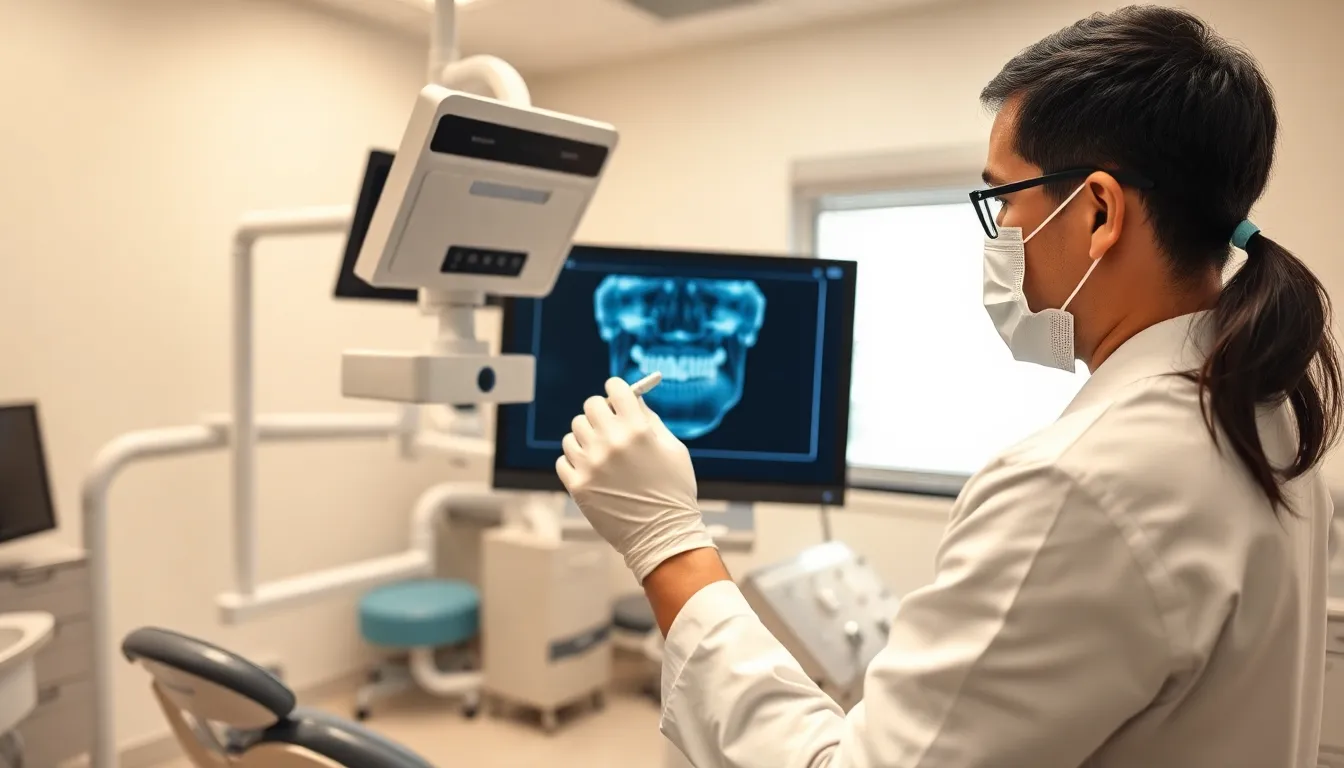
X-ray sensors in dentistry use digital imaging technology to record detailed images of teeth and supporting tissues for diagnostics and treatment planning. Practices partner with providers such as ProDENT in Tampa, Florida for solutions tailored to clinical requirements.
Wired vs. Wireless Sensors
Wired dental X-ray sensors connect directly to imaging units, ensuring reliable, fast data transfer with minimal signal delay. Wired setups enable uninterrupted use in high-volume practices in Tampa and across the US, with sensors staying powered from the system connection. Wireless dental X-ray sensors support greater mobility within treatment rooms, removing cable clutter and reducing setup time. However, wireless sensors depend on internal batteries and wireless data transmission, which may be subject to shorter operating times and occasional data slowdowns. ProDENT supplies both options to accommodate both fixed and mobile dental environments, allowing practices to balance speed, portability, and workflow efficiency.
CMOS vs. CCD Sensors
CMOS and CCD X-ray sensors address different clinic and imaging needs. CCD (Charge-Coupled Device) sensors deliver high-resolution images with lower noise, supporting fine details in dental radiography when clear diagnostics are paramount. These sensors require more power and cost more, and manufacturers are gradually phasing out their production. CMOS (Complementary Metal-Oxide-Semiconductor) sensors now dominate dental imaging due to fast image processing, lower power consumption, and easy integration with practice management systems. ProDENT in Tampa sources advanced CMOS sensors equipped with scintillator technology, reducing radiation dosage while maintaining precision for procedures such as implant assessment and caries detection. Most dental offices equip rooms with CMOS systems for routine workflow and elevated patient comfort.
Pros and Cons of Using Xray Sensors
Digital X-ray sensors increase patient safety by reducing radiation exposure by up to 90% compared to film-based devices, according to current dental imaging research. Improved image quality gives clinicians sharper views, with high-resolution outputs aiding caries detection and implant assessment. Images appear in real time, speeding diagnosis and allowing quick sharing among team members or with specialists using secure imaging software. Digital sensors measure smaller than traditional holders, enhancing comfort for patients who struggle with bitewing films. Clinics eliminate chemicals and cut down on bulky storage since images store electronically. Practice managers find streamlined workflows and data security options aligned with modern privacy needs. ProDENT in Tampa, Florida, supports clinics with dental sensor options compatible with leading imaging and practice management systems.
Radiation remains a concern when procedures repeat often or patient cohorts require special care, such as pediatrics. Upfront costs for new digital systems—including training and calibration—surpass film X-ray expenses, making budgeting key for practice owners. Portable handheld units risk operator fatigue due to their weight, and regular use without adequate infection control can compromise device longevity or safety. Digital sensors may be sensitive to physical damage or produce artifacts, leading to costly retakes. Battery-powered handheld devices require monitoring to avoid workflow disruptions during busy periods. Dental offices often rely on suppliers like ProDENT for device maintenance, sensor replacements, and technical support to minimize downtime.
Factors to Consider When Choosing an Xray Sensor
Resolution ranks highest among decision points. Image clarity depends on sensor resolution, with top sensors like the DentiMax Dream Sensor achieving 26.3 line pairs per millimeter (LP/mm). In dental diagnostics, higher resolution helps detect caries and bone loss in early stages. ProDENT in Tampa, Florida sources high-definition sensors matched for clinical accuracy.
Connection type affects workflow speed and reliability. Modern sensors use USB 2.0 or 3.0 to transfer images instantly, reducing chairside waiting. Options compatible with multiple connection standards enable practices in Tampa and across the United States to adapt to different operatory setups.
Sensor size and positioning determine comfort and diagnostic scope. Size 1 and Size 2 sensors are common. Dental positioners, like Rinn-style holders, reduce movement and ensure consistent placement for repeatable results.
Material and build quality influence operational life and image contrast. Durable build extends service life in demanding clinics. Advanced materials in sensor housing and cable connections, including reinforced edges, limit costly sensor replacements from damage. Clinics sourcing sensors through ProDENT gain access to sensors with industry-leading durability.
Software compatibility and imaging features define workflow flexibility. Integrated imaging suites enable seamless integration with practice management systems. ProDENT offers equipment that pairs directly with leading dental software, enabling real-time data synchronization and streamlined consultation processes.
Durability and warranty terms protect investment. Practices look for sensors built for thousands of exposures, with multi-year warranties and technical support. ProDENT provides sensor warranties and responsive service, supporting practices in Tampa and nationwide to minimize disruptions.
Application-specific needs set further sensor requirements. For example, endodontic specialists may select ultra-high-resolution sensors for root imaging, while pediatric offices favor smaller, ergonomically designed sensors. ProDENT advises on fit-for-purpose solutions tailored to each practice profile.
About ProDENT
ProDENT, located in Tampa, FL, is a trusted provider of high-quality dental products and supplies for professionals and clinics.
Owned by Allen Zhang, ProDENT offers a wide range of dental equipment, instruments, and consumables designed to support dental care and procedures. The company is committed to providing reliable, durable products that meet the needs of dental professionals and ensure optimal results for their patients.
Contact:
Allen Zhang, Owner
Phone: 321 352 6712
Email: [email protected]
Address: 13367 N 56th St, Tampa, FL 33617
Website: www.prodentshop.com
Frequently Asked Questions
What are X-ray sensors used for in healthcare and industry?
X-ray sensors are primarily used for diagnostics in healthcare and non-destructive testing in industries. They provide quick, detailed internal images, allowing practitioners to inspect tissues, teeth, or industrial components without invasive procedures or damaging the item being examined.
How do digital dental X-ray sensors work?
Digital dental X-ray sensors convert X-ray photons into electronic signals, producing high-resolution images of the teeth and oral structures within seconds. These sensors connect directly to imaging software, allowing instant image viewing, storage, and sharing.
What advantages do dental X-ray sensors offer over traditional film?
Dental X-ray sensors require significantly lower radiation exposure—up to 90% less than film—deliver instant digital images, and make it easier to store, share, and analyze results, improving diagnostic efficiency and patient safety.
How long do dental X-ray sensors typically last?
With proper care and handling, dental X-ray sensors are designed to last between 5 and 7 years, even with frequent use in busy dental clinics.
What technologies are commonly used in modern digital X-ray sensors?
The most common technology in modern X-ray sensors is CMOS with a scintillator, offering fast image processing, high resolution, low power consumption, and seamless integration with dental software systems.
What is the difference between wired and wireless dental X-ray sensors?
Wired sensors provide reliable, uninterrupted use and quicker data transfer, whereas wireless sensors offer greater mobility and easier setup but can face limitations with battery life and data transmission stability.
Why are CMOS sensors preferred over CCD sensors in dentistry?
CMOS sensors are preferred because they process images faster, use less power, are more durable, and offer better compatibility with modern practice management software compared to CCD sensors.
What factors should be considered when selecting a dental X-ray sensor?
Consider image resolution, connection type (USB 2.0/3.0), sensor size and positioning, material quality, durability, and software compatibility. It’s also important to match the sensor to specific clinical needs, such as pediatric or endodontic applications.
What are the potential drawbacks of digital X-ray sensors?
Digital X-ray sensors have higher upfront costs, require training and calibration, can be damaged if handled improperly, and need effective infection control measures. Some users may also experience operator fatigue with handheld systems.
How do X-ray sensors improve dental workflow?
Digital X-ray sensors provide immediate images that integrate with dental software, streamlining diagnosis, enhancing case discussions, improving patient communication, and speeding up overall workflow in dental practices.